

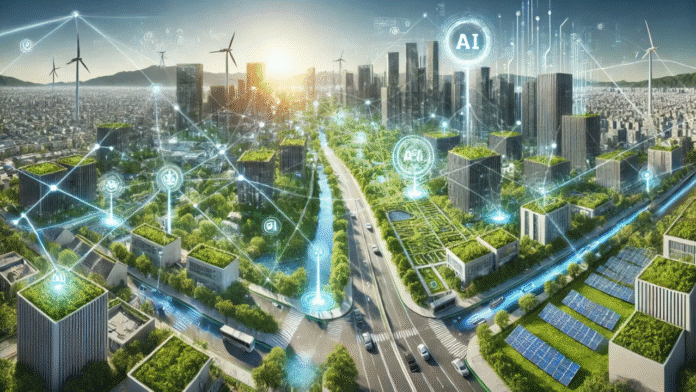
Dholera SIR is being designed not just as a physical city; it’s intended to be a living, digital ecosystem powered by IoT, AI, and advanced digital infrastructure. By integrating sensors, real-time data, and automation into its core systems, the city aims to deliver better resource efficiency, improved public services, and more responsive governance. The vision is for a city where everything from traffic flow to energy consumption to waste management is monitored and adjusted intelligently, using predictive analytics and AI, resulting in a smarter, more sustainable, more livable urban environment.
Some of the components include: a high-bandwidth digital backbone (fiber, 5G/6G networks), smart sensors in public infrastructure (street lighting, water/waste systems), AI-driven control centers managing traffic, safety and security, smart buildings equipped with automated controls, and digital governance platforms that allow transparent citizen feedback and service delivery.
Key Text Points (Headings & Bullets)
- IoT & Sensors Everywhere
• Sensor networks monitoring air quality, water levels, noise, traffic, etc.
• Smart streetlights, smart parking, remote meter reading, and utility sensors - AI & Data Analytics
• Predictive maintenance of infrastructure (roads, power grid)
• Real-time traffic management ‒ adjusting lights, rerouting flows
• Pattern recognition for energy demand, disaster/risk alerts - Digital Connectivity Foundations
• High-speed broadband, fiber optics
• 5G (or newer) mobile networks
• Edge computing & cloud infrastructure
• Reliable power & backup infrastructure for digital services - Smart Buildings & Automation
• Automated lighting, climate control, security in residential/commercial buildings
• Energy efficiency via building management systems
• IoT-enabled waste & water management systems - Governance & Citizen Engagement
• E-government platforms & apps for services, payments, reporting
• Digital twins & dashboards for planners to monitor progress
• Data transparency & performance feedback loops - Challenges to Watch & Mitigate
• Data privacy, cybersecurity
• Reliable power and network uptime
• Integration of legacy systems or scaling up
• Ensuring accessibility & digital inclusivity

