
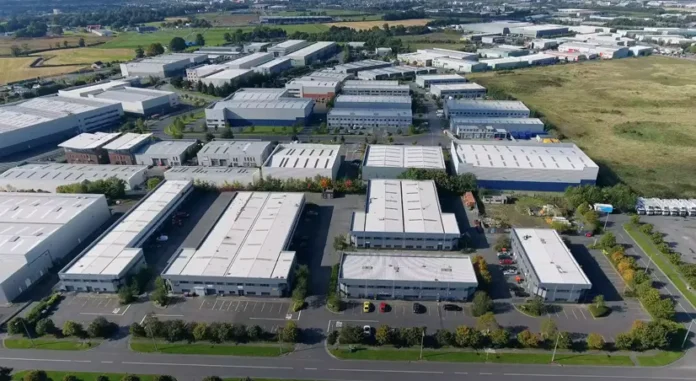
Dholera Special Investment Region (SIR) is rapidly emerging as a strategic manufacturing & industrial powerhouse poised to reshape India’s industrial landscape. Spread over ~920 sq km as a greenfield smart city, Dholera brings together large-scale infrastructure, designated industrial zones, and policy incentives that are rare in early-stage industrial environments. Its deep integration with the Delhi-Mumbai Industrial Corridor (DMIC), upcoming freight corridors, expressways, and a planned international airport make it an ideal base for sectors ranging from electronics, defence, renewable energy, food processing, to logistics.
Businesses setting up manufacturing in Dholera benefit from plug-and-play industrial plots, robust utilities (power, water, digital connectivity), and support from both state & central authorities. Additionally, the planned layouts ensure separation between industrial, residential, commercial zones, minimizing conflicts over land use, pollution, and traffic — features that older industrial hubs often struggle with. Emerging demographics (young workforce), cost advantages in land and labor, and rising global supply chain reconfiguration further amplify Dholera’s appeal.
If the development plans stay on track, industrial investment here could lead to job creation on a large scale, improved export competitiveness, and give rise to supporting ecosystems (ancillaries, logistics, R&D). All of this paints Dholera not just as another industrial zone, but potentially India’s next great manufacturing hub.
Key Text Points (Headings & Bullets)
- Strategic Industrial Planning
• Dedicated industrial & processing zones with ready infrastructure
• Integration with logistic corridors (roads, freight rail, airports)
• Sector-wise zoning to reduce regulatory friction and conflict - Cost & Competitive Advantages
• Lower land costs compared to existing metros & industrial clusters
• Subsidies, incentives, tax breaks under SIR / DMIC policies
• Availability of power, water, and connectivity at scale - Plug-and-Play Infrastructure
• Industrial plots ready with basic utilities (water, power, waste)
• Internal roads, drainage, and efficient layouts
• Access to ports, expressways, and cargo handling facilities - Diverse Manufacturing Sectors
• Electronics, semiconductors
• Renewable energy / solar and wind manufacturing
• Heavy engineering, auto components, pharmaceuticals
• Food processing, textile & logistics - Employment & Ecosystem Growth
• Thousands of jobs (direct & indirect) in manufacturing & services
• Ancillary industries, supply chain networks, skill development hubs
• Attracting investment from both domestic & international players - Challenges & Success Factors
• Need for timely execution of infrastructure projects (roads, airport, freight rail)
• Ensuring environmental compliance and sustainable practices
• Continuous policy clarity and ease of doing business
• Skilled workforce availability & industrial training

